
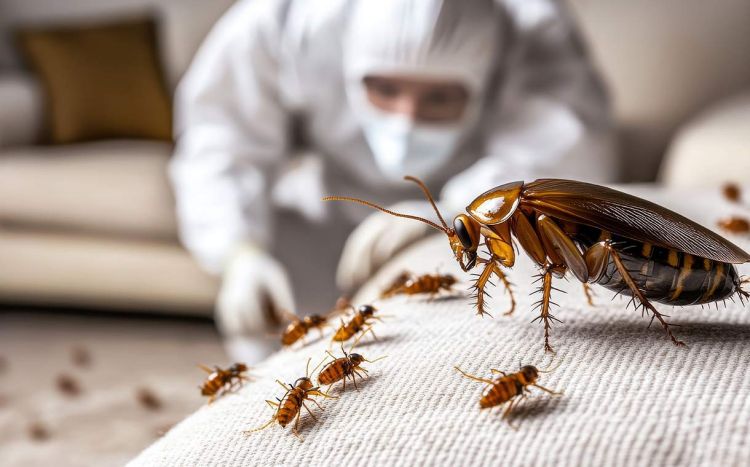
You’ve invested in pest control, the treatment was done, things looked quiet for a few days… and then suddenly, the pests are back.
It’s frustrating — but also more common than you think.
The good news? In most cases, this doesn’t mean the treatment failed. Instead, pests often return due to natural behaviour, environmental conditions, or follow-up habits in the home. Here’s why it happens and what you can do about it.
🔍 1. The Treatment Needs Time to Work
Many professional treatments don’t kill pests instantly.
Gel baits, residual sprays, and growth regulators work gradually — which means you may still see pests for a few days to a few weeks.
Why this happens:
- Cockroaches carry gel back to their nest → slow elimination.
- Residual treatments kill pests as they cross treated areas.
- Eggs and larvae still need time to mature before they die off.
➡️ Seeing some pests right after treatment is normal — it often means the treatment is working.
🥚 2. Pest Eggs Survive Initial Treatment
Some pests lay eggs that are resistant to chemicals.
Examples:
- Cockroach eggs (ootheca)
- Flea eggs
- Ant larvae and pupae
- Termite colonies deep inside walls
Once these eggs hatch, you may see a second wave of pests.
➡️ This is why follow-up treatments are often needed.
🕳️ 3. Untreated Areas May Still Hide Pests
Some pests hide in impossible-to-reach places:
- Deep cracks in tiles
- Behind cupboards
- Inside walls, roofs, and drains
- Under appliances
- In cluttered storage areas
Even the best technician cannot reach every tiny nook unless the entire structure is fumigated.
➡️ If pests survive in hidden zones, they can repopulate visible areas.
🚛 4. Neighbouring Infestations Spread Back Into Your Home
This is very common in:
- Apartment buildings
- Duplexes
- Townhouses
- Business complexes
If neighbours have cockroaches or rodents, they can easily migrate back.
➡️ Treating your home AND shared areas often gives the best results.
🍽️ 5. Food, Moisture & Clutter Attract Pests Back
Even after treatment, if the environment still attracts pests, they will return.
Major attractants:
- Food crumbs
- Grease around stoves
- Water leaks
- Full bins
- Open pet food
- Cluttered cupboards
- Cardboard boxes
Cockroaches, ants, and rodents can survive with minimal food and water.
➡️ Improving hygiene reduces re-infestation dramatically.
🌧️ 6. Weather & Seasonal Changes Increase Activity
Pests become more active at certain times of year:
- Ants during rainy season
- Cockroaches during heat
- Rodents during winter
- Termites after heavy rains
Even after treatment, seasonal conditions can bring new pests indoors.
➡️ Seasonal treatments help maintain long-term control.
🐁 7. Outdoor Pests Re-enter the Home
If the outside of your home wasn’t treated, pests can come back through:
- Doors and windows
- Drains
- Vents
- Utility gaps
- Roof spaces
➡️ Indoor + outdoor treatment = best results.
🧪 8. The Wrong Type of Treatment Was Used
Different pests require different methods.
For example:
- Ants need bait systems, not just spraying.
- German cockroaches need gels and residuals.
- Rodents need exclusion + baiting, not just poison.
- Termites often require drilling or trenching, not surface spraying.
➡️ Correct identification is key.
🛡️ How to Prevent Pests From Returning
Here’s how you can ensure long-term results:
✔ Follow technician’s aftercare instructions
Ventilation, cleaning timelines, avoiding wiping treated areas, etc.
✔ Seal cracks, gaps & entry points
Use silicone, mesh, or door seals.
✔ Keep kitchen areas spotless
Especially at night.
✔ Reduce moisture
Fix taps, leaks, damp areas.
✔ Store food in airtight containers
Even pet food.
✔ Schedule follow-up treatments
Especially for cockroaches, fleas, and termites.
Need Pest Control?
If you are also looking for pest control services in Centurion then feel free to connect with our team and they will assist you.